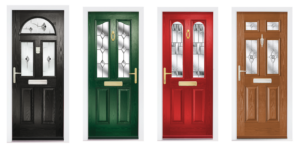
The Comprehensive Guide to Entry Door Restoration: Reviving Your Home's First Impressions
Entry doors play an essential function in the aesthetics and security of a home. They are not merely a barrier against the components or a point of entry; they are the centerpiece of your home's exterior, often setting the tone for visitors. With time, nevertheless, wear and tear, weather conditions, and other elements can lessen the appeal and functionality of an entry door. Read Home Page , entry door restoration is a reliable option that can extend the life of this crucial component of your home while enhancing its visual appeal.
Comprehending Entry Door Restoration
Entry door restoration encompasses various processes that aim to repair, refinish, and invigorate a door. While it might seem like a challenging job, bring back an entry door can be a rewarding home improvement project for homeowners who like keeping their home's beauty and integrity.
Benefits of Entry Door Restoration
- Cost-Effectiveness: Restoring a door is often considerably less costly than changing it. Many property owners can save a substantial amount by buying restoration rather than brand-new doors.
- Enhanced Curb Appeal: A restored entry door can significantly improve the exterior appearance of a house, causing an increased residential or commercial property worth and enhanced impressions.
- Eco-Friendly: Restoration helps in minimizing waste. Rather of disposing of a functional door, restoration contributes to a more sustainable approach by extending its life expectancy.
- Increased Security: Often, older doors may have ended up being weak or jeopardized. Restoration can strengthen the door's strength, enhancing the security of the home.
- Customization: Restoration permits house owners to customize their entry door, from color to finish, aligning it more closely with their personal taste or architectural design.
The Restoration Process: Step by Step
The restoration of an entry door normally involves several crucial steps. These can vary based upon the door's condition and product, but the process normally consists of:
1. Evaluation and Preparation
- Evaluation: Evaluate the door for damage, consisting of signs of rot, cracks, peeling paint, or rust.
- Removal: Take off any hardware such as doorknobs, hinges, or locks.
2. Cleaning
- Utilize a mix of soap and water to clean up the door thoroughly.
- For wooden doors, think about using a wood cleaner to remove old surfaces.
3. Fixing Damages
- Wooden Doors: Fill in cracks and holes with wood filler and sand the area smooth.
- Metal Doors: For rusted metal doors, sanding or utilizing a rust-inhibiting primer may be required.
4. Sanding
- Sand the whole door to create a smooth surface area for refinishing.
- Usage fine-grit sandpaper for finishing touches.
5. Refinishing
- *Staining: For wooden doors, use stain to enhance the natural grain.
- *Painting: For both wooden and metal doors, use a high-quality exterior paint or finish.
6. Reinstallation of Hardware
- After the paint has actually dried, thoroughly reattach the doorknobs, locks, and hinges.
7. Sealing
- Use a sealant for wooden doors to protect from moisture and UV rays. Metal doors might need a rustproof sealant.
Tips for Successful Entry Door Restoration
- Select Quality Materials: Whether it's discolorations, paints, or sealants, picking premium products can provide much better outcomes and extend the life-span of the restoration.
- Operate In Appropriate Conditions: Ensure you're operating in conditions that are not too damp, rainy, or cold to permit correct adhesion and drying.
- Maintain Regular Care: After restoration, regular maintenance such as cleansing and resealing can prolong the durability of the door.
Regularly Asked Questions (FAQs)
Q1: How typically should an entry door be brought back?
A: The frequency of restoration depends on direct exposure to elements, door product, and maintenance. Generally, wood doors might require restoration every 5-10 years, while metal doors can last longer if preserved effectively.
Q2: Can I restore a door myself, or should I work with a professional?
A: Many homeowners can successfully restore a door themselves if they have basic DIY skills. However, for extensive repairs or if you're unsure, employing a professional is advisable.
Q3: What are the indications that my door requires restoration?
A: Common signs consist of peeling paint, fractures, significant wear or water damage, or difficulty in opening and closing the door.
Q4: Is it worth bring back a door that is older?
A: If the door is structurally sound, restoration can be an excellent alternative. However, if the door shows significant damages or rot, replacement may be more appropriate.
Q5: How can I make sure the finish of my restored door lasts?
A: Regular maintenance such as cleansing, resealing, and repainting when needed will help lengthen the lifespan of the finish.
Entry door restoration is a vital aspect of home maintenance that can yield outstanding outcomes. By breathing new life into this essential entry point, house owners not only improve the visual appeal and performance of their homes but also contribute to ecological sustainability and a sense of individual complete satisfaction. Equipped with the right understanding and pointers, starting an entry door restoration task can be an enhancing and transformative experience.